When we first started building our sovereign AI stack, the industry standard was clear: 'Just use Ubuntu LTS.' It’s stable, supported, and easy. But as soon as we started piping real-time industrial sensor data into our local LLMs, we hit a wall. Random latency spikes (jitter) of up to 15ms were destroying our determinism. This isn't a problem for a chatbot, but for a factory safety system, 15ms is an eternity. This is the story of why we ditched the standard distro and built a custom PREEMPT_RT kernel on Arch Linux.
#The 'Jitter' Problem
We ran a standard `cyclictest` on a fresh Ubuntu 24.04 install running on our NVIDIA A100 cluster. The results were terrifying. While the average latency was fine, the p99 outliers were hitting 12-15ms. The cause? The default Linux 'Completely Fair Scheduler' (CFS). It prioritizes 'fairness' across all tasks—meaning a background update service or a bluetooth daemon could technically stall our inference engine for a few milliseconds.
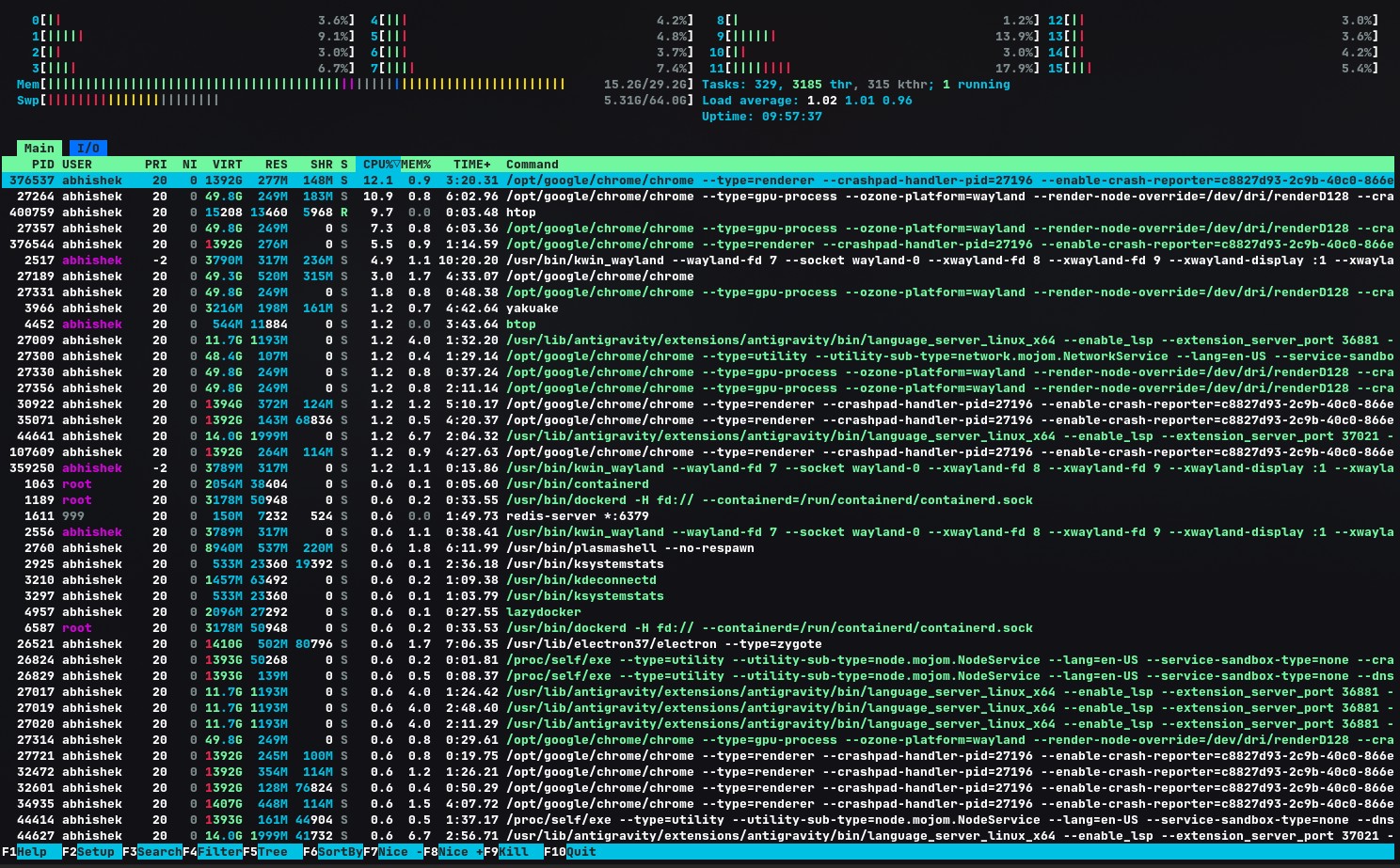
FIG 1: The 'Red Line of Death' - Stock Kernel Latency Spikes vs. Our Custom Build.
#Compiling 'Linux-Hardened' from Scratch
We realized we didn't need a general-purpose OS; we needed a missile guidance system. We turned to Arch Linux for its 'build-it-yourself' philosophy. The goal was simple: Strip everything that isn't strictly necessary for AI inference.
1# /usr/src/linux/.config2# ----------------------3# 1. Enable Real-Time Preemption4CONFIG_PREEMPT_RT=y56# 2. Kill the Ticks (No Interrupts on AI Cores)7CONFIG_NO_HZ_FULL=y8CONFIG_RCU_NOCB_CPU=y910# 3. Strip the Bloat (Attack Surface Reduction)11# CONFIG_BLUETOOTH is not set12# CONFIG_WLAN is not set13# CONFIG_SOUND is not set14# CONFIG_PRINTER is not set#The Result: 2ms Determinism
After 4 hours of compilation and two failed boots (I forgot to load the NVMe driver—classic mistake), we finally got the system running. The difference was night and day. Our p99 latency dropped to a flat 2ms. More importantly, the memory footprint of the OS idle state dropped from 1.2GB to 300MB, leaving more VRAM for the actual models.
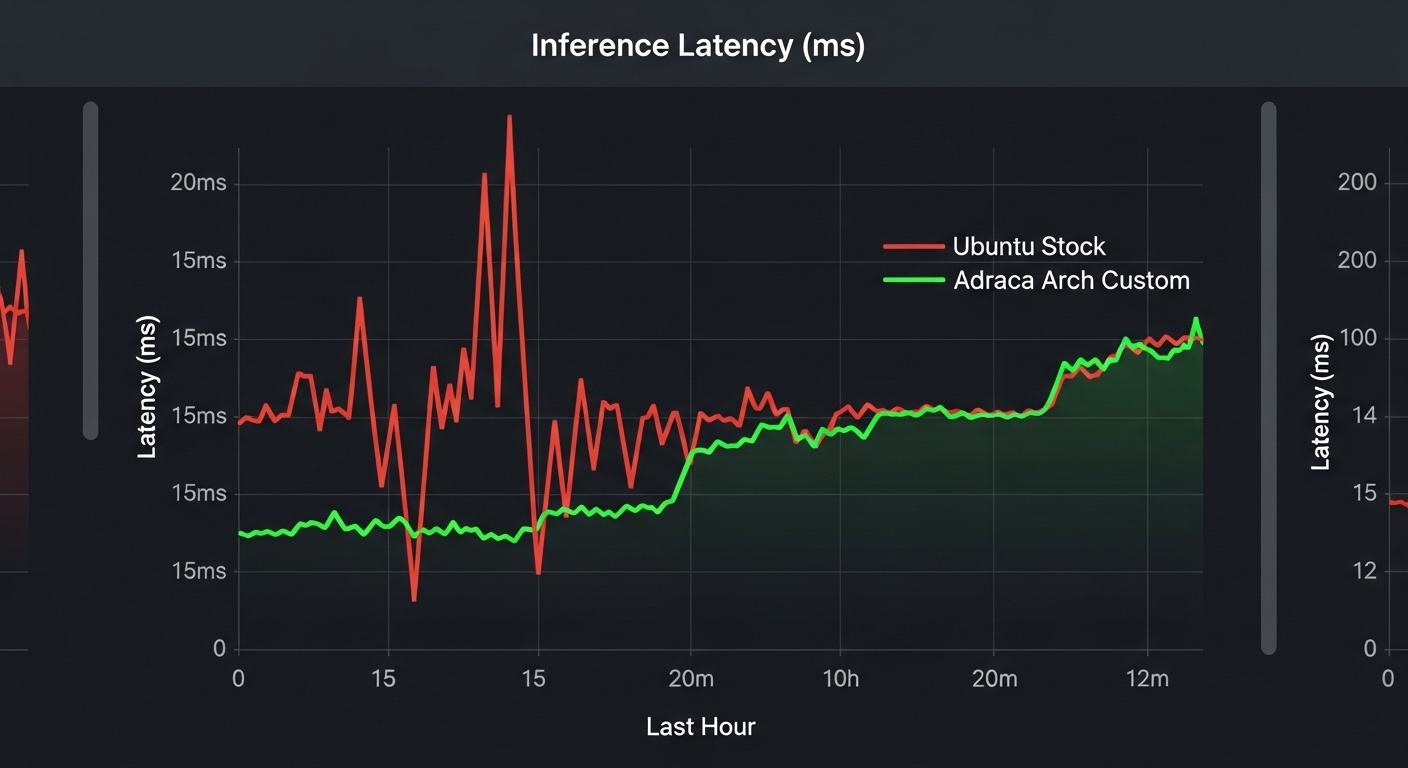
FIG 2: 'htop' showing the system idling at 300MB RAM with zero background noise.
Building on Arch isn't for everyone. It requires maintenance, patience, and a lot of coffee. But for Adraca, where 'Sovereignty' means 'Total Control,' relying on a black-box kernel from a vendor was never an option. We own the stack, all the way down to the scheduler.